
Best Holistic Wellness Coaches for Women With Chronic Illness in 2026 (March 2026 Edition)
Holistic wellness coaching is becoming an essential companion for women managing chronic illness. It blends practical lifestyle adjustments, emotional support, and tools you can use day to day so symptoms are easier to manage and resilience can grow. This guide spotlights leading coaches and programs in 2026 that use functional medicine and root‑cause methods. You’ll find core coaching principles, why personalization matters, and concrete ways these approaches help women reclaim more control over their health. Chronic conditions often bring isolation and uncertainty — holistic coaching aims to replace that with clearer direction, supportive community, and actionable plans.
This article keeps the focus practical: how coaching usually looks, ways programs bring in functional medicine, how to evaluate providers, and how to track progress. Wherever possible we offer repeatable steps a woman can take when exploring coaching or participating in a program.
What Is Holistic Wellness Coaching for Women With Chronic Illness?
Holistic wellness coaching is a client‑centered process that sees the whole person — not just isolated symptoms. Coaches listen to a woman’s health story, then co‑create realistic plans that fit her life and priorities. The outcome is often greater self‑awareness, everyday coping strategies, and more agency in managing long‑term conditions.
In practice, coaches help set small, measurable goals, translate clinical advice into doable habits, and build routines that support consistency. For women whose symptoms ebb and flow, coaches emphasize flexibility: options for low‑energy days, pacing strategies, and ways to reduce decision fatigue so adherence feels sustainable rather than exhausting.
Defining Holistic and Functional Medicine Wellness Coaching

Holistic and functional medicine coaching shifts the aim from masking symptoms to identifying underlying drivers. Holistic coaching centers the link between mind and body; functional medicine adds a clinical lens — personalized nutrition, targeted testing, and lifestyle medicine tailored to an individual’s biology. Combined, these approaches support more precise and sustainable interventions.
Functional nutrition is frequently a core element, used to address biochemical imbalances and support long‑term disease management.
Functional Medicine & Nutrition for Chronic Disease Management This article outlines how functional nutrition complements functional medicine to prevent and manage chronic disease. It highlights clinical and educational advances led by Dr. Ruth DeBusk and makes the case for collaborative care in primary settings. The piece advocates a systems‑based approach that leverages nutritional genomics and behavior change to improve outcomes amid rising chronic health challenges. Applying functional nutrition for chronic disease prevention and management: bridging nutrition and functional medicine in 21st century healthcare, 2011
How Root Cause Health Coaching Supports Chronic Illness Management
Root‑cause coaching helps clients and coaches identify upstream contributors — for example, disrupted sleep, dietary patterns, or chronic stress — and address them in a prioritized, practical way. Sessions mix education, thorough history‑taking, and stepwise behavior changes so women leave with a clear, manageable recovery plan. Over time, that focused work often improves symptoms and daily function.
RYL Holistic Wellness offers programs for women with chronic illness that combine functional medicine principles and individualized coaching to support long‑term health.
A typical root‑cause workflow: begin with a detailed intake, map symptom patterns to lifestyle triggers, prioritize low‑burden, high‑impact interventions, and set short‑ and medium‑term checkpoints. Coaches frequently coordinate with a client’s medical team when testing or medication adjustments are needed.
Which Functional Medicine Principles Are Key for Chronic Illness Coaching?
Functional medicine principles shape coaching by prioritizing the person over the diagnosis. Core elements include:
Personalized Health Protocols: Interventions tailored to an individual’s history, labs, and daily life.
Integrative DRESS Protocol (specific to Functional Diagnostic Nutrition Practitioners): A balanced framework that addresses Diet, Rest, Exercise, Stress management, and Supplements.
Mind‑Body Techniques: Practical practices that strengthen the connection between emotional resilience and physical health.
These principles guide coaches toward interventions that are targeted and sustainable.
In coaching conversations, they translate into concrete actions: an individualized meal pattern rather than a one‑size‑fits‑all diet, a sleep plan adapted for shift work or caregiving, movement progressions built around variable energy, and short stress tools that can be used any time. The aim is to align clinical insight with realistic behavior change.
Integrative Approaches in Functional Wellness Coaching
Integrative coaching layers evidence‑informed modalities so care meets multiple needs at once. Common components include:
Functional Diagnostic Nutrition: Comprehensive nutritional assessment paired with targeted labs and clear recommendations.
Mind‑Body Techniques: Mindfulness, gentle movement, and breathwork to support emotional balance.
Personalized Health Protocols: Step‑by‑step plans tied to each client’s goals and constraints.
Together, these methods create a supportive framework for women managing chronic conditions.
Coaches often sequence changes to avoid overwhelm: start with the highest‑impact habit (for example, consistent sleep), add a simple nutrition tweak, then introduce gentle movement and brief stress tools as stability improves. Phasing changes this way boosts adherence and lowers the chance of setbacks.
Personalized Wellness Programs Tailored for Women
Programs designed for women with chronic illness account for hormonal, life‑stage, and social factors. Effective elements often include:
Tailored Strategies: Practical plans that respect preferences and medical needs.
Empowerment Through Coaching: Ongoing guidance that builds skills and confidence.
Holistic Approaches: Coordinated attention to nutrition, movement, sleep, and emotional support for whole‑person care.
These programs support steady progress and clearer self‑management.
Personalization also means accommodating menstrual cycle shifts, menopause transitions, pregnancy or postpartum needs, and social realities like caregiving. Coaches who build adaptable plans increase the chances clients can sustain progress across life phases.
How Do Root Cause Wellness Programs Empower Women With Chronic Illness?
Root‑cause programs empower by treating each woman as the expert of her body and partnering with her to design change. Key features include:
Community Support: Opportunities to connect with peers who understand similar challenges.
Education and Awareness: Clear, actionable information about conditions and care options.
Personalized Recovery Plans: Targeted steps that fit daily life and evolve with progress.
Together, these elements reduce isolation and make health goals feel achievable.
Community can take many forms: group coaching calls, moderated online forums, peer mentorship, or in‑person meetups when possible. Well‑run communities mix emotional support with accountability and practical tips — meal prep shortcuts, low‑impact movement options for low‑energy days, and simple scheduling strategies.
Step-by-Step Root Cause Rapid Review Process
The Root Cause Rapid Review is a focused 90‑minute session that delivers a prioritized roadmap. It typically includes:
Overview of Health History: A concise review of medical background, symptoms, and lifestyle.
Preparation Steps for Clients: Clear instructions on what to bring or track before the session to get the most from your time.
Action Plan Development: A short, practical set of next steps you can start right away.
This structure helps clients leave with clarity and manageable actions.
To get the most from a rapid review, coaches may ask for a brief symptom diary, a list of current medications and supplements, and recent lab summaries. The session commonly ends with three prioritized next steps and a suggested timeline for follow‑up so clients can test changes and report back.
Success Stories: Case Studies Demonstrating Client Outcomes
Client stories show how coaching translates into real improvements. Typical highlights include:
Specific Health Improvements: Measurable changes in symptoms, energy, and daily function.
Client Testimonials: Personal accounts of progress and lessons learned.
Inspiration for Others: Examples that illustrate what recovery or stability can look like.
These narratives provide hope and practical insight for others on similar paths.
Illustrative vignettes (anonymized) often describe clients who began with low stamina and frequent flare‑ups and, after several months of coaching, report steadier symptoms, better sleep, or clearer nutrition strategies that reduce gastrointestinal distress. While results vary, common themes are increased daily function, less symptom unpredictability, and stronger strategies for managing stress.
Ask prospective coaches for anonymized case studies or example timelines so you understand what progress typically looks like and how long meaningful change often takes within their program structure.
What Qualifications Should You Look for in a Women’s Chronic Illness Support Coach?
When choosing a coach for chronic illness support, consider these qualifications:
Personal Experience and Empathy: Coaches who understand chronic illness firsthand can offer deeper empathy and realistic guidance.
Professional Credentials: Certifications in holistic health, functional medicine training, or related fields matter.
Holistic Approach: A commitment to treating the whole person — body, mind, and lifestyle.
These factors shape a coaching relationship that is both credible and compassionate.
Beyond credentials, look for practical quality indicators: clear intake and consent processes, transparent pricing and refund policies, firm boundaries about medical advice, and openness to collaborate with medical providers. A coach should clearly explain their scope of practice and when they will refer you back to a clinician.
Essential Certifications and Training in Functional Medicine
Coaches working within functional medicine typically hold specialized training. Common credentials include:
Functional Diagnostic Nutrition Practitioner (FDNP): Training focused on nutritional assessment and interventions, and functional lab testing to look for hidden stressors causing imbalance in the body.
Holistic Health Coach (HHC): Core coaching skills centered on whole‑person wellness.
Institute for Integrative Nutrition (IIN): Broad education in nutrition and lifestyle coaching.
These certifications indicate a coach has studied relevant frameworks and tools to support clients effectively.
When evaluating a coach, ask about continuing education, supervision or mentorship, and specific experience with clients who have chronic illness. The field evolves quickly, and coaches who pursue ongoing training are often better able to integrate new tools and research.
Evaluating Experience in Holistic Wellness Coaching
Experience matters. Look for coaches who demonstrate:
Personal Journey and Relatability: Coaches who share parts of their journey often connect more easily with clients.
Professional Expertise: A track record of working with people who have similar conditions.
Client Empowerment: Evidence that the coach helps clients build self‑management skills.
Together, these qualities create a trusting, productive coaching relationship.
Practical vetting steps: request client references or anonymized outcome summaries, review sample session agendas, and ask how the coach measures progress. A good coach can describe common barriers clients face and the techniques they use to overcome them.
How Can Integrative Wellness Coaching Improve Lifestyle and Nutrition?
Integrative coaching helps turn clinical recommendations into everyday habits. Common benefits include:
Personalized Strategies: Plans that fit your routine, taste, and cultural context.
Holistic Approach: Coordinating nutrition, movement, sleep, and stress tools for better results.
Sustainable Habits: Changes designed to last beyond quick fixes.
With this support, clients often report more energy, clearer thinking, and steadier symptom control.
Coaches use concrete tools like meal templates, easy cooking techniques, tailored grocery lists, and brief movement options that can be done seated or lying down. These practical resources increase the chance of adoption compared with abstract advice alone.
Nutrition Strategies for Chronic Illness Management

Thoughtful nutrition is a cornerstone of chronic illness care. Effective strategies typically emphasize:
Balanced Diet: Whole foods, quality proteins, healthy fats, and plenty of vegetables.
Regular Exercise: Movement adapted to ability and energy to support mood and stamina.
Stress Management: Breathwork, mindfulness, and paced relaxation to lower inflammatory responses.
These elements work together to support resilience and symptom management.
Nutrition plans should be practical and culturally appropriate. Coaches often start with small, achievable swaps — for example, adding one extra vegetable serving per day or replacing a processed snack with a nutrient‑dense option. Tracking these small wins keeps motivation up and provides data to refine the plan.
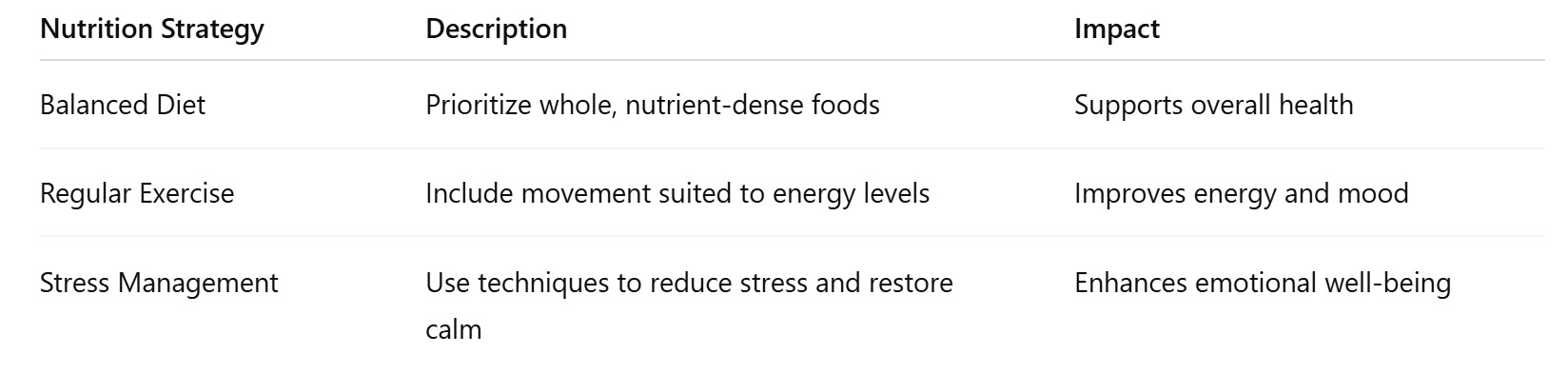
This table summarizes how basic nutrition and lifestyle strategies contribute to managing chronic illness.
Mind-Body Wellness Techniques and Lifestyle Adjustments
Mind-body practices are often simple, accessible, and effective. Common techniques include:
Regular Exercise: Movement matched to capacity that supports mood.
Balanced Diet: Nutrient‑rich choices that steady energy and inflammation.
Emotional Support: Connection with others to reduce isolation and build resilience.
These adjustments create a foundation for sustained well‑being when paired with targeted clinical care.
Examples of mind‑body tools coaches use: two‑minute breathing breaks for immediate stress relief, five‑ to ten‑minute guided body scans for pain awareness, and gentle restorative movements to ease stiffness. These practices are adaptable on low‑energy days and scalable as capacity improves.
Where to Find the Best Holistic Wellness Coaches for Women in 2026?
Finding the right coach means searching places that vet experience and match specialties. Useful resources include:
Online Directories: Curated lists of certified wellness coaches with search filters for specialties.
Coaching Platforms: Marketplaces that connect you with vetted professionals.
Community Recommendations: Referrals from peers, support groups, or healthcare providers.
Combine online research with an initial consultation to find a coach who fits your needs and values.
Prioritize directories that offer detailed filters (for example, chronic fatigue, autoimmune conditions, or hormonal health) and coaches who list experience with populations similar to yours. A good initial consultation should feel exploratory, not salesy.
Top Coaching Services and Digital Platforms for Women’s Wellness
Several reputable services and platforms support women with chronic illness. Examples include:
Rejuvenate Your Life Holistic Wellness: Personalized coaching focused on chronic condition management for women.
Wellness Coach Network: A hub to find certified coaches across specialties.
Health Coach Institute: Training and resources for professional wellness coaches.
These options mix one‑to‑one coaching with broader professional development across the field.
Compare platform features such as secure messaging, scheduling tools, integrated symptom tracking, and group program options. These operational details influence how easy it is to stay consistent with coaching.
How to Choose Personalized Coaching Programs That Fit Your Needs
To choose a program that fits, try this approach:
Identify Core Values: Clarify what matters most in your care and daily life.
Evaluate Brand Options: Compare program structure, evidence base, and coach backgrounds.
Engage in Initial Consultations: Meet prospective coaches to assess rapport and realistic goals.
These steps help you pick a program that’s both practical and aligned with your priorities.
Also consider program length, session frequency, access to asynchronous support (email or messaging), and whether community or group sessions are included. Clarify cancellation and rescheduling policies so you have flexibility if symptoms flare.
What Are the Latest Trends and Research in Holistic Wellness Coaching for Chronic Illness?
Recent trends emphasize individualized protocols and integrated care. Key themes include:
DRESS Protocol (specific to Functional Diagnostic Nutrition Practitioners): A structured approach addressing Diet, Rest, Exercise, Stress management, and Supplements.
Mind‑Body Techniques: A growing appreciation of emotional health’s impact on physical outcomes.
Personalized Health Protocols: Greater focus on tailoring care to individual biology and preferences.
These developments reflect a shift toward care that is both personalized and scalable.
Another clear trend is the use of symptom‑tracking apps and wearables in coaching workflows, which help clients and coaches spot patterns and tailor plans more responsively. Ethical data use, privacy, and professional interpretation remain essential as technology becomes more common.
2026 Studies from NIH and Institute for Functional Medicine
Recent research from the NIH and the Institute for Functional Medicine supports the value of personalized coaching. Key takeaways include:
Overview of Recent Findings: Evidence that tailored coaching can improve management of chronic conditions.
Implications for Coaching: Reinforces the importance of individualized plans and interdisciplinary care.
Future Directions: Continued study of integrative methods and their long‑term outcomes.
These studies strengthen the case for coupling coaching with personalized clinical strategies.
While research is ongoing, consensus is growing around individualized, multidisciplinary care pathways and the role of behavior‑change support. Coaches who stay connected to clinical research and adopt evidence‑informed practices are better positioned to help complex cases.
Emerging Digital Coaching Tools and Integrative Methods
Digital tools are widening access and continuity of care. Innovations include:
Telehealth Platforms: Remote visits that make coaching more convenient.
Mobile Apps: Tools for tracking goals, symptoms, and habits between sessions.
Online Communities: Peer spaces that reduce isolation and share practical tips.
These tools complement in‑person guidance and help sustain momentum between appointments.
Research increasingly supports the value of digital tools in chronic care management.
Health Coaching & Self-Management in Chronic Care Mobile health (mHealth), defined by WHO as medical and public health practice supported by mobile devices, has been shown to improve self‑management and enhance health coaching for chronic care. Combining mHealth and health‑coaching for improving self‑management in chronic care. A scoping review, K Heiselberg, 2021
How to Monitor and Maximize Your Wellness Coaching Outcomes?
Tracking progress keeps coaching focused and effective. Helpful practices include:
Gathering Feedback: Regular check‑ins about satisfaction and what’s helping.
Analyzing Data: Use simple metrics to track symptoms, sleep, or activity.
Implementing Changes: Adjust plans based on outcomes and client experience.
These steps make coaching adaptive and results‑driven.
Practical monitoring tools include symptom journals with severity ratings, weekly mood or energy check‑ins, and brief client‑reported outcome measures tied to personal goals. Coaches translate that data into small, time‑boxed experiments to test what works.
Key Performance Indicators for Coaching Success
Useful KPIs to evaluate coaching include:
Client Satisfaction: How clients rate their experience and support.
Health Outcomes: Improvements in symptoms, function, and quality of life.
Engagement Levels: Consistency with recommended actions and ongoing participation.
Tracking these indicators helps refine programs and demonstrate impact.
Examples of measurable indicators: percentage of clients who complete a 12‑week program, average change in reported fatigue scores, follow‑up appointment frequency, and client‑reported adherence to key habits. Coaches use these metrics to improve program design and identify where extra support is needed.
Using Feedback and Continuous Program Adjustments
Ongoing feedback is essential for meaningful improvement. Best practices include:
Gathering Feedback: Regularly ask clients what’s helping and what isn’t.
Implementing Changes: Make iterative adjustments to better match client needs.
Monitoring Progress: Track outcomes to confirm adjustments produce benefit.
This responsive approach helps programs evolve alongside client needs.
Coaches should schedule periodic program reviews where data and client experience are combined to refine content, pacing, and support structures. In group programs, facilitators can use aggregated feedback to shift topics or resources to meet participant priorities.
For women seeking personalized support, RYL HolisticWellness offers targeted programs designed for chronic illness management.
Additionally, the Root Cause Rapid Review provides a structured, time‑efficient assessment to map next steps.
To learn more about their approach, visit their website.
For a full overview of services, explore RYL HolisticWellness.
Frequently Asked Questions
What should I expect during my first session with a holistic wellness coach?
Your first session is a focused conversation about your health history, current symptoms, and daily routines. Expect questions designed to clarify priorities and a discussion about realistic next steps. The goal is to build an initial, personalized plan and set expectations for how coaching will support you.
You’ll also cover logistics: session length and frequency, communication between meetings, privacy and record‑keeping, and how progress will be tracked. A well‑run first session usually leaves you with one or two immediate actions to try before your next visit.
How can I track my progress in a wellness coaching program?
Track progress with a simple health journal, measurable goals, and digital tools if you prefer. Record symptoms, sleep, mood, and small wins, then review these regularly with your coach to refine the plan.
Many clients use a weekly review template that asks: What went well? What was hard? What will you try next week? This short reflection supports steady improvement and helps the coach tailor support.
Are there specific dietary recommendations for women with chronic illnesses?
Many women benefit from a whole‑foods approach emphasizing vegetables, quality proteins, healthy fats, and fewer processed foods. Specific recommendations should be personalized to allergies, lab results, and preferences — ideally with a coach or nutrition professional.
Coaches generally avoid blanket prescriptive diets unless recommended by a clinician. Instead, they focus on individualized changes that address symptoms, fit cultural food practices, and are realistic to maintain.
What role does emotional support play in holistic wellness coaching?
Emotional support is central. Coaching offers a safe, empathetic space to process setbacks, build resilience, and develop coping skills. That support often improves adherence to lifestyle changes and overall outcomes.
Coaches use active listening, validating language, and strength‑based approaches to help clients reframe limiting beliefs and celebrate progress. When needed, they’ll connect clients to additional mental health resources.
How can I find a qualified holistic wellness coach?
Start with vetted directories, professional networks, and referrals. Review credentials, ask about experience with your condition, and schedule a short consultation to check fit and rapport before committing.
A helpful checklist: does the coach have relevant training, a clear scope of services, a method for measuring progress, and policies for privacy, cancellations, and emergencies? These practical details affect the quality of the coaching relationship.
What are the benefits of using digital tools in wellness coaching?
Digital tools expand access and continuity: telehealth for remote sessions, apps for habit and symptom tracking, and online communities for peer support. When used well, they boost accountability and make progress easier to maintain.
Check whether a platform supports secure messaging, integrates symptom tracking with session notes, and lets you export data for other providers. Ease of use is essential — a clunky tool will likely reduce engagement.
Conclusion
Holistic wellness coaching offers a practical, person‑centered pathway for women living with chronic illness. By combining root‑cause thinking, personalized plans, and compassionate support, these programs help clients reclaim daily function and confidence. If you’re ready to explore tailored care, start with an introductory consultation to find the right coach and plan for your journey.
Remember: effective coaching is collaborative, measurable, and adaptable. Look for programs that respect your lived experience, integrate clinical insight when appropriate, and provide concrete tools for everyday life. With the right match, coaching can be a durable complement to medical care and a meaningful step toward steadier health.