
The Gut–Chronic Illness Connection: Why Healing Your Gut Comes First for Lasting Wellness
Key Takeaways
Your gut often sits at the root of chronic symptoms like fatigue, brain fog, bloating, and skin issues.
Increased intestinal permeability (leaky gut) fuels systemic inflammation that can worsen autoimmune and hormonal problems.
Functional gut testing—stool analysis, breath tests, and targeted labs—can reveal hidden gut dysfunction.
Personalized gut-healing protocols reduce chronic symptoms and restore resilience over time.
The gut–brain–hormone axis is central to mood, clarity, and hormonal balance.
Working with an FDN‑P practitioner provides guided, individualized support for lasting gut repair.
The link between a healthy gut and chronic illness is gaining clearer recognition, especially for women facing autoimmune flare-ups, persistent fatigue, brain fog, bloating, or skin concerns. Many chronic symptoms begin with underlying gut dysfunction you might not suspect. This article explains how your gut influences whole‑body wellness, why gut healing for women matters, and how functional, personalized care can change your recovery/healing journey.
Understanding Gut Dysfunction: How It Triggers Chronic Illness and Leaky Gut Chronic Symptoms
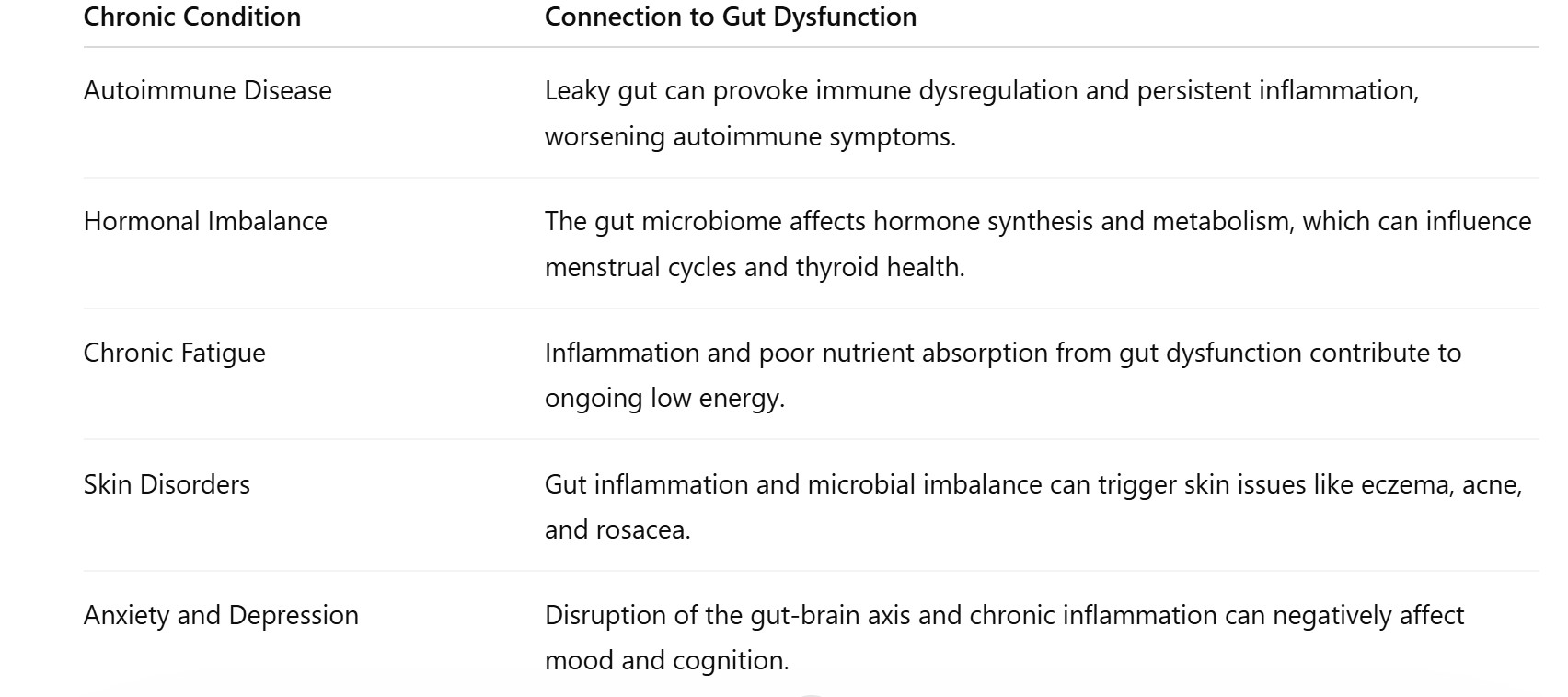
Gut dysfunction covers a range of problems in the digestive tract that can spark or worsen chronic conditions. When the gut isn’t working well, nutrient absorption falters, immune balance shifts, and mental clarity can suffer. Often this dysfunction leads to increased intestinal permeability—commonly called leaky gut—where unwanted particles leak into the bloodstream and provoke systemic inflammation. That inflammation is a major driver of many chronic symptoms, including autoimmune flares, low energy, and brain fog.
How an Unhealthy Gut Impairs Your Immune System and Overall Health

Your gut contains about 70% of your immune system, so when gut health declines, immune defenses can become unbalanced. Increased permeability lets inflammatory triggers into circulation, contributing to chronic inflammation linked with autoimmune conditions, metabolic disruption, and neurological symptoms. Supporting gut health is therefore essential for immune resilience and overall vitality.
Leaky Gut & Chronic Illness: Autoimmune, Metabolic, Neurological Links Leaky gut happens when the tight junctions of the intestinal lining break down, allowing undigested food particles, toxins, and microbes into the bloodstream. That breach prompts inflammation and immune activation. Growing evidence connects this gut barrier breakdown with a range of chronic problems — from autoimmune disease to metabolic dysfunction and neurological symptoms. Leaky Gut: A Common Underlying Factor in Fatigue, Bloating, and Brain Fog
Common Signs of Gut Dysfunction That May Be Driving Your Chronic Symptoms
Pay attention to digestive signs like bloating, gas, diarrhea, constipation, or new food intolerances—these are often the first clues of gut imbalance. Non‑digestive symptoms—chronic fatigue, mental fog, mood shifts, and skin issues—can also trace back to gut dysfunction, which is why a full, root‑cause approach is so important.
The Gut Microbiome and Chronic Disease: How Microbiome Diversity Influences Fatigue and Wellness
Your gut microbiome—a rich community of bacteria, yeasts, and other microbes—plays a major role in digestion, immunity, and brain health. A diverse, balanced microbiome supports metabolic health and lowers inflammation. When diversity is lost or certain species dominate, it can contribute to chronic disease and lingering fatigue.
Why Microbiome Diversity Is Key to Reducing Chronic Fatigue and Supporting Your Health
Greater microbiome diversity is associated with improved metabolism and reduced inflammation—both vital for easing chronic fatigue. You can support diversity by increasing fiber-rich foods and adding fermented options such as yogurt, kefir, and sauerkraut to feed beneficial microbes.
Gut Inflammation’s Role in Brain Fog and Hormone Imbalance
Inflammation originating in the gut can reach the brain and endocrine system. Inflammatory cytokines produced in the gut can blunt cognitive function and contribute to brain fog. The microbiome also affects hormone production and metabolism, so gut inflammation can disrupt menstrual cycles, thyroid function, and overall hormonal harmony. Addressing gut inflammation is a key step toward clearer thinking and better hormonal balance.
The Gut-Brain-Hormone Axis: How Leaky Gut Drives Systemic Inflammation and Chronic Disease
The gut‑brain‑hormone axis is the communication network linking your digestive tract, nervous system, and endocrine glands. When the gut barrier is compromised, inflammatory molecules cross into circulation and can influence the brain and hormone‑producing organs. This systemic inflammation can worsen chronic illness and contribute to anxiety, depression, hormone imbalance, and cognitive issues like brain fog.
Seeing your health through this lens makes it clear why gut repair is foundational for restoring mental well‑being, hormonal regulation, and energy.
Chronic Conditions Linked to Gut Dysfunction
How Mold Illness Impacts Your Gut Health and Worsens Chronic Symptoms
Exposure to mold and mycotoxins can injure the gut barrier and amplify inflammation, making chronic symptoms harder to resolve. Mold‑related illness often includes increased intestinal permeability, which can deepen fatigue, digestive problems, and neurological complaints.
The Link Between Mold Exposure and Gut Barrier Dysfunction
Mold toxins can weaken the gut lining and alter the microbiome, increasing intestinal permeability. That allows inflammatory substances into circulation and prompts immune reactions that perpetuate chronic symptoms.
How Mold-Related Gut Issues Can Worsen Chronic Illness
Mold‑driven gut dysfunction disrupts microbial balance and raises systemic inflammation, creating a feedback loop that worsens chronic illness. For many people, addressing environmental exposure is a necessary complement to gut healing.
How Functional Gut Testing by FDN-P Practitioners Helps Identify Root Causes of Gut Dysfunction
Functional Diagnostic Nutrition Practitioners (FDN‑P) use targeted testing to uncover hidden gut issues that fuel chronic symptoms. Common assessments include:
Stool Testing: Reveals microbiome diversity, markers of inflammation, and potential pathogens.
SIBO Breath Testing: Identifies small intestinal bacterial overgrowth, a frequent cause of bloating and fatigue.
GI MAP Interpretation: Offers detailed insight into microbes, parasites, and immune responses in the gut.
These results inform personalized healing plans designed around your unique physiology and history.
Effective Holistic Gut Healing Protocols for Women with Chronic Illness

Holistic gut healing addresses root causes through diet, lifestyle, targeted supplements, and practical therapies. The goal is to restore microbiome balance, repair the gut lining, and reduce inflammation so symptoms ease and resilience returns.
Lifestyle and Dietary Changes That Support Your Gut Repair
To support gut healing, consider these foundational shifts:
Increase Fiber Intake: Prioritize fruits, vegetables, legumes, and whole grains to feed beneficial bacteria.
Incorporate Fermented Foods: Add yogurt, kefir, sauerkraut, and other fermented options to encourage microbial diversity, unless of course you are dealing with histamine issues or mast cell activation syndrome.
Stay Hydrated: Adequate hydration helps digestion and nutrient uptake, both vital for gut repair.
These practical changes create a supportive environment for your gut to recover and thrive.
How Personalized Wellness Programs Address Root Cause Gut Health for Lasting Results
Personalized programs start with a deep assessment of your health history, symptoms, and testing. From there, an individualized plan—combining nutrition, lifestyle guidance, supplements, and follow‑up testing—targets the root causes of gut dysfunction so improvements are lasting, not temporary.
At Rejuvenate Your Life Holistic Wellness, you can begin with a Root Cause Rapid Review to pinpoint your main health challenges and build a clear next steps healing plan designed specifically for you.
Why You Should Consider a Root Cause Rapid Review Session Before Starting Gut Healing Programs
Many people jump straight into gut healing protocols without first understanding what’s actually driving their symptoms. While improving gut health is important, chronic issues like fatigue, hormone imbalance, autoimmune symptoms, and brain fog are often influenced by multiple underlying factors.
A Root Cause Rapid Review helps identify the bigger picture before beginning a gut healing program..
What to Expect from a Personalized Root Cause Analysis During Your Root Cause Rapid Review Session
During this session, we review your health history, symptoms, lifestyle factors, and previous lab work to look for patterns that may be contributing to gut dysfunction. Hidden stressors such as mold exposure, chronic infections, toxin overload, hormone imbalance, or nervous system dysregulation can all impact gut health and may need to be addressed alongside digestive support.
By taking a root-cause approach first, you can avoid guesswork and follow a more personalized strategy that supports lasting healing rather than temporary symptom relief.
How Root Cause Rapid Reviews Empower Women to Take Control of Their Health and Wellness
These sessions provide insight, validation, and a clear action plan. Many women leave feeling informed and empowered, ready to take measurable steps toward improved energy, balance, and quality of life.
Frequently Asked Questions About Gut Health and Chronic Illness
How does gut health affect chronic illness?
Your gut influences immune function, inflammation, and nutrient absorption—key factors that shape chronic symptoms like fatigue, brain fog, and autoimmune flares.
What is leaky gut syndrome?
Leaky gut occurs when the intestinal lining becomes more permeable, allowing toxins and undigested particles into the bloodstream and triggering inflammation and immune reactions.
How do I start healing my gut naturally?
Begin with a diet rich in fiber and fermented foods, stay well hydrated, manage stress, and consider working with a practitioner for targeted testing and a personalized plan.
What is functional gut testing and why is it important?
Functional testing—stool analysis, breath tests, and similar assessments—identifies imbalances, infections, and markers of inflammation so healing can be focused and effective.
Can gut healing improve my mental health and hormone balance?
Yes. Because the gut‑brain‑hormone axis links digestion, mood, and endocrine function, repairing the gut can improve clarity, mood, and hormonal symptoms.
Ready to Take Control of Your Gut Health and Chronic Symptoms?
Start healing from the inside out. Book a Root Cause Rapid Review with Janice Maynard at Rejuvenate Your Life Holistic Wellness. Together, you’ll uncover the drivers of your symptoms and create a personalized next steps plan that fits your life.