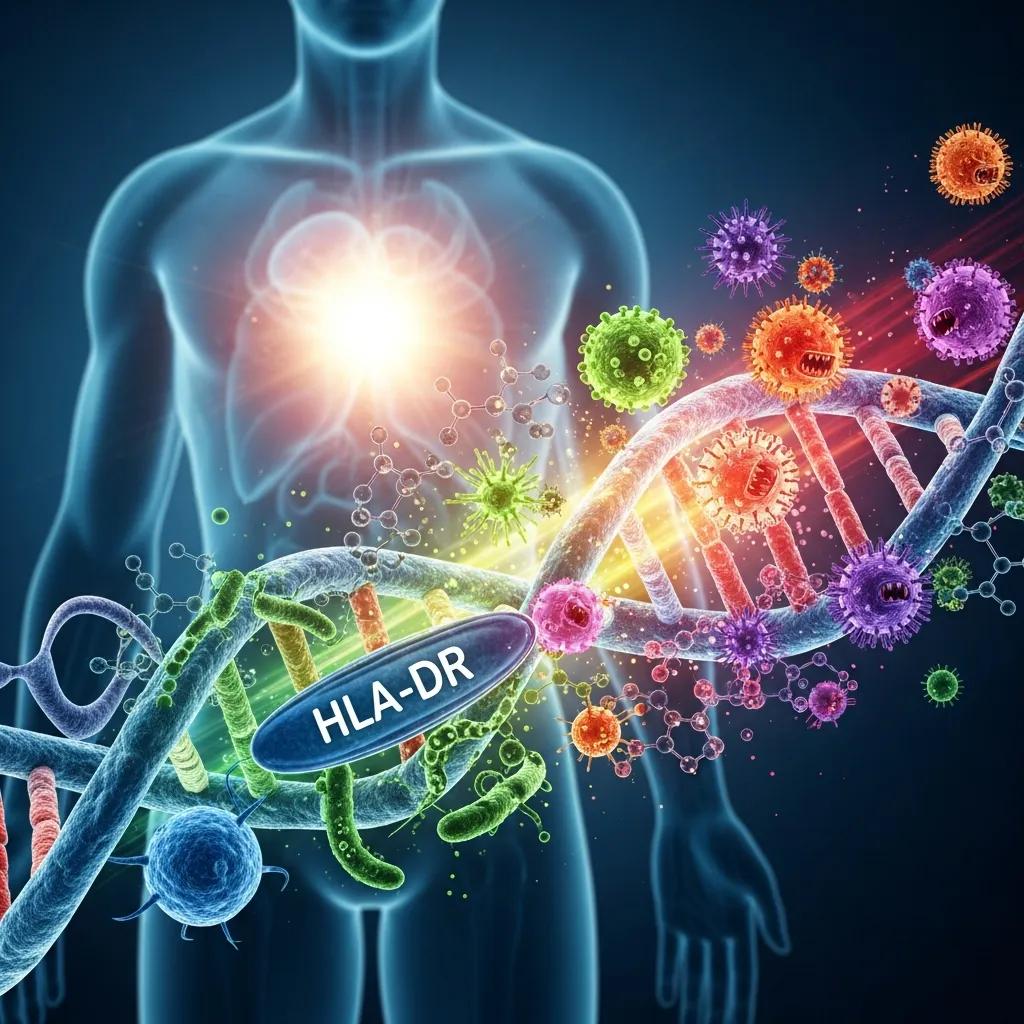
Understanding the HLA‑DR Gene: Why Some Women Struggle to Clear Biotoxins
The HLA‑DR gene is central to how the immune system recognizes and handles biotoxins. Understanding its role helps explain why some women have persistent symptoms and trouble detoxifying after exposure. This article walks through how HLA‑DR works, which mutations matter, and what that means for conditions like chronic inflammatory response syndrome (CIRS) and mold-related illness. We’ll also look at the genetic markers linked to susceptibility, how hormones and physiology influence clearance, and the most relevant research findings.
What is the HLA‑DR Gene and How Does It Affect Immune Response to Biotoxins?
HLA‑DR is part of the immune system’s antigen‑presentation machinery — it helps show pieces of foreign material to immune cells so they can respond appropriately. When HLA‑DR functions well, the body can recognize and remove biotoxins (for example, certain mold‑derived toxins). But variants or mutations in HLA‑DR can blunt that response, making it harder to identify and clear these compounds. Appreciating the gene’s role gives context to why some people, and women in particular, may be more vulnerable to biotoxin‑driven illness.
How Do HLA‑DR Gene Mutations Influence Chronic Inflammatory Response Syndrome?

Chronic Inflammatory Response Syndrome (CIRS) often follows exposure to biotoxins, especially from water‑damaged buildings and mold. Certain HLA‑DR variants can increase susceptibility by impairing the immune system’s ability to eliminate these toxins, allowing them to persist and drive ongoing inflammation. That persistence can produce a range of symptoms — from fatigue and brain fog to respiratory problems — that significantly reduce quality of life. Understanding HLA‑DR’s contribution to CIRS helps clinicians target diagnostics and interventions more precisely.
Clinical and case‑based research shows that specific HLA‑DR alleles may predispose people to prolonged mycotoxin‑related symptoms, even after they leave contaminated environments.
HLA‑DR Alleles & Mycotoxin Elimination Challenges Variations in the HLA‑DR/DQ alleles are associated with a reduced immune response to mycotoxins; people with these alleles tend to eliminate mycotoxins poorly. In four reported cases, individuals with HLA‑DR differences continued to experience mold‑related symptoms long after moving out of mold‑infested homes, despite only ambient air exposure.
HLA gene variations and mycotoxin toxicity: Four case reports, SA Saghir, 2024
Which Genetic Markers Identify Susceptibility to Mold Toxicity?
Genetic markers tied to mold and biotoxin susceptibility center largely on specific HLA‑DR variants. Genetic testing can reveal these alleles and help clarify an individual’s risk for persistent symptoms after exposure. Knowing your genetic profile allows for targeted prevention and personalized care plans, especially when you can link a genetic vulnerability to documented environmental exposure. If you'd like to learn more about the symptoms of mold illness, visit our blog post, Signs of Mold Illness Most Doctors Miss.
Why Do Some Women Have Difficulty Clearing Biotoxins?
Several intersecting factors explain why some women clear biotoxins less effectively. Genetic predisposition — notably HLA‑DR variants — is a primary driver. Hormonal cycles and lifetime estrogen/progesterone exposure can alter liver enzyme activity and immune regulation, affecting detox pathways. Body composition, metabolism, and cumulative environmental exposures also matter. Together, these elements help explain why women may face unique challenges with biotoxin clearance.
What Role Do HLA‑DR Polymorphisms Play in Women's Immune Response to Biotoxins?
HLA‑DR polymorphisms are small genetic differences that change how antigens are presented to the immune system. Some of these polymorphisms reduce the effectiveness of antigen presentation for certain biotoxins, increasing the risk of chronic inflammatory reactions. In women, the interaction between these genetic variants and hormonal influences can amplify vulnerability, making personalized assessment and treatment especially important.
How Do Hormonal and Physiological Factors Affect Biotoxin Detoxification in Women?
Hormones influence detoxification at multiple levels. Estrogen and progesterone affect liver enzyme expression, immune signaling, and vascular permeability — all of which can change how toxins are processed and removed. Physiological differences like body fat distribution, metabolic rate, and microbiome composition further shape toxin storage and elimination. A comprehensive treatment plan considers these factors alongside genetic risk to improve outcomes.
How Is Genetic Testing Used to Diagnose Biotoxin Illness and HLA‑DR Variants?

Genetic testing is a useful tool for identifying HLA‑DR variants that increase biotoxin susceptibility. When combined with clinical history, exposure assessment, and lab markers of inflammation or toxin burden, genetics can refine diagnosis and guide personalized care. For people with known mold exposure or unexplained chronic inflammatory symptoms, genetic results help clinicians choose the most appropriate tests and interventions.
What Are the Recommended Tests for Identifying HLA‑DR Gene Mutations?
Recommended assessments typically include:
Genetic Testing: Panels that screen for HLA‑DR and related alleles associated with biotoxin sensitivity.
Blood Tests: Markers of immune activation and inflammation that indicate an ongoing response to biotoxins.
Environmental Assessments: Home and workplace evaluations to identify mold or other sources of exposure.
Together, these tests build a clearer picture of genetic risk, current exposure, and physiological response to guide treatment.
How Do Functional Medicine Practitioners Interpret Genetic Results for Personalized Treatment?
Functional medicine clinicians integrate genetic findings with a patient’s history, symptoms, and lab data to create individualized plans. HLA‑DR results highlight vulnerabilities to prioritize — for example, reducing exposure, supporting detox pathways, and addressing immune dysregulation. Interventions are chosen to fit the person’s biology and life context, aiming for practical, sustainable steps that improve toxin clearance and resilience.
What Treatment Protocols Address Biotoxin Illness in Women with HLA‑DR Mutations?
Treatment usually combines environmental, nutritional, and lifestyle strategies tailored to the individual. Common elements include:
Nutritional Support: Anti‑inflammatory, antioxidant‑rich foods and nutrients that support liver and immune function.
Detoxification Therapies: Targeted approaches such as sauna protocols, binders, and evidence‑based herbal or pharmaceutical supports to assist toxin removal.
Lifestyle Modifications: Stress management, sleep optimization, and routines that reduce overall toxic load, help regulate the nervous system and support recovery.
These protocols are adapted to each client’s genetics, symptoms, and tolerance, with careful monitoring and adjustment over time.
Which Functional Medicine Approaches Support Biotoxin Clearance?
Effective functional approaches are comprehensive and individualized. Key strategies include:
Personalized Nutrition: Diets that reduce inflammation and support detox organs.
Targeted Supplementation: Nutrients chosen to enhance liver pathways, antioxidant capacity, and immune balance.
Environmental Modifications: Finding and removing mold sources, improving ventilation, and reducing indoor toxins.
Nervous System Work: Therapies that calm and regulate the nervous system — for example, neurofeedback, craniosacral work, gentle somatic practices, and NLP (Neuro-Linguistic Programming) — which can improve immune regulation and support the body’s ability to clear biotoxins, especially for people with HLA‑DR susceptibility.
Used together, these strategies create the supportive conditions the body needs to clear toxins and recover function.
How Are Personalized Protocols Developed Based on Genetic Susceptibility?
Personalized protocols start with a clear assessment of genetic risk and clinical context. That process includes:
Genetic Testing: Identifying HLA‑DR variants and other markers.
Health History Review: Documenting exposures, symptom patterns, and previous interventions.
Tailored Interventions: Building a stepwise plan — environment, nutrition, targeted therapies, and monitoring — that fits the person’s genetics and health goals.
This individualized pathway increases the chances of effective, durable improvement.
What Are the Latest Research Insights on HLA‑DR Gene and Biotoxin Illness?
Recent studies continue to clarify links between specific HLA‑DR variants and susceptibility to chronic inflammatory responses after biotoxin exposure. Research is refining how these gene variants affect immune signaling and detox pathways, and which clinical patterns are most likely to follow. These insights are helping clinicians identify at‑risk patients earlier and tailor interventions more precisely.
How Do 2024‑2026 Studies Enhance Understanding of Gender Differences in Immune Response?
Work published between 2024 and 2026 highlights how sex hormones and genetic factors interact to shape immune responses to biotoxins. Findings suggest women may have distinct vulnerability windows tied to hormonal cycles or life stages, which can affect toxin handling and symptom expression. These studies reinforce the need for gender‑aware research and treatment planning when addressing biotoxin illness.
What Gaps Exist in Current Knowledge About Biotoxin Clearance in Women?
Important gaps remain, including:
Longitudinal Studies: Tracking long‑term outcomes after exposure to understand chronic trajectories in women.
Mechanistic Studies: Pinpointing exactly how HLA‑DR variants alter detox pathways and immune signaling.
Intervention Studies: Rigorous trials comparing tailored protocols in women with HLA‑DR susceptibility.
Filling these gaps will improve prevention, diagnosis, and treatment for those affected.
If you’re seeking guidance, RYL Holistic Wellness offers personalized programs that help you understand and address your body's unique needs.
Many people find it useful to explore our programs designed to address these specific health challenges.
For a focused assessment, consider a root cause rapid review to identify underlying contributors to your symptoms.
Conclusion
Understanding the HLA‑DR gene is crucial for recognizing why some women struggle to clear biotoxins, impacting their health and quality of life. By identifying genetic predispositions and tailoring interventions, individuals can achieve better detoxification outcomes and overall wellness. If you're facing challenges related to biotoxin exposure, consider exploring personalized programs that address your unique needs. Take the first step towards improved health by scheduling a focused assessment today.