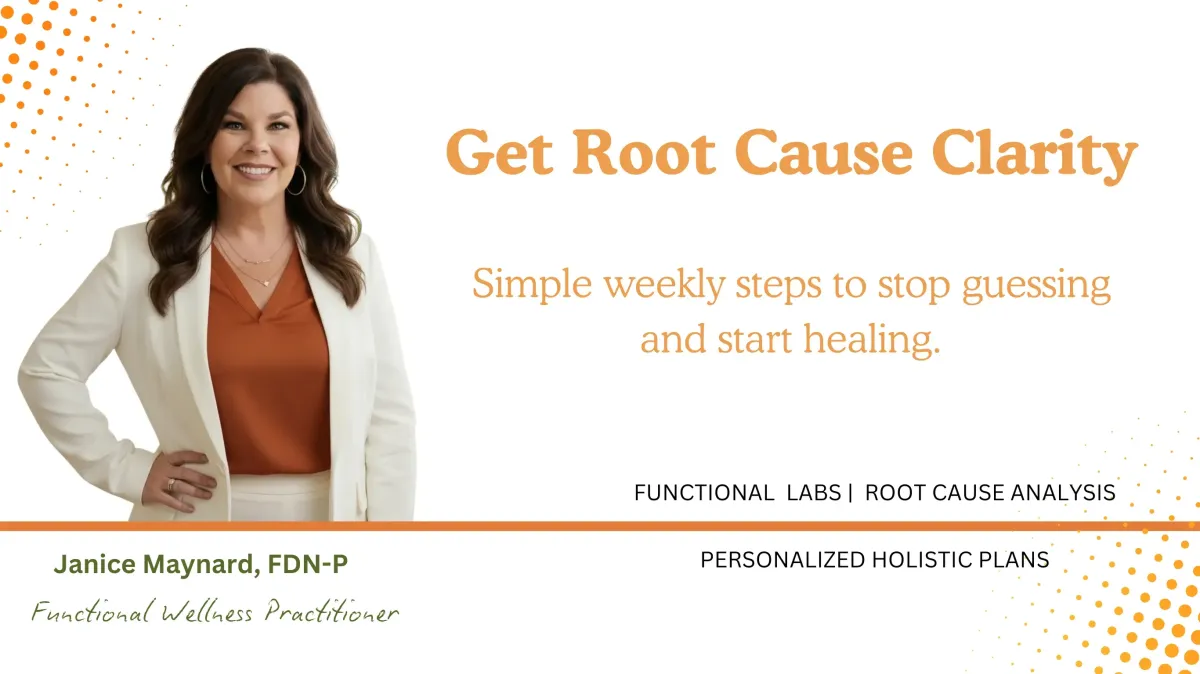
Root Cause Rapid Review — Two‑Week Starter Plan for Holistic Medicine
The Root Cause Rapid Review Two‑Week Starter Plan is designed for people who want clear answers and practical steps for persistent or unclear health concerns. Over two focused weeks, we apply functional medicine principles to identify what’s driving your symptoms and turn those findings into a simple, actionable plan. Every recommendation is tailored to your history, labs, and daily life so you can move from uncertainty to confident next steps quickly. Below we explain the plan’s purpose, core elements, delivery process, and typical outcomes.
Plan objectives
The primary goals of this two‑week starter plan are to:
Reveal root causes: Identify the underlying contributors to your symptoms.
Create clear, actionable plans: Provide steps you can start right away.
Equip clients with practical knowledge: Give context and tools so you can make informed health choices.
These objectives shape a focused, personalized approach so you receive targeted support and a clear path forward. They also determine what we prioritize during intake and how we sequence testing and interventions to deliver the most useful information within two weeks.
Key components

The two‑week starter plan centers on three elements:
90‑minute health review session: A thorough intake that maps your history and current concerns.
Two‑week starter plan with recommendations: A concise roadmap of prioritized steps, supplements, and lifestyle adjustments tailored to you.
Personalized lab roadmap: Targeted testing recommendations to clarify next diagnostic steps. Clients may bring current labs they have or choose to purchase a full functional blood panel through RYL. No tests are included in the Root Cause Rapid Review unless clients choose to purchase the functional blood panel through RYL or bring any current labs they may have. The review assesses what other functional lab testing might be beneficial, and you will receive a roadmap at the end of the session.
Together, these pieces create a holistic snapshot of your health and a priority‑based action plan you can implement immediately. The format is compact so you can begin meaningful change without waiting through lengthy programs or multiple visits.
Implementation steps
We deliver the plan through a clear three‑step workflow:
Preparation with health history: Complete a detailed questionnaire so we understand your context before the session.
Conduct the 90‑minute session: Review your history, symptoms, and goals with a practitioner to form a working hypothesis.
One‑week follow‑up check‑in: A brief review to assess early progress and fine‑tune recommendations.
This sequence keeps the process efficient while ensuring focused attention and timely adjustments. The pre‑visit questionnaire shortens background time in the session so the clinician can concentrate on pattern recognition and immediate priorities.
Expected outcomes

Clients commonly experience measurable benefits from this short, focused program, including:
Clearer understanding of health issues: Insight into likely drivers of your symptoms.
Practical next steps: Specific recommendations you can implement right away.
Potential improvements in health metrics: Early changes in symptoms or biomarkers as targeted interventions take effect.
These outcomes show how a targeted, root‑cause approach can speed clarity and progress. Many clients report that a prioritized plan reduces overwhelm and improves follow‑through, which amplifies early gains.
What is the Root Cause Rapid Review Two‑Week Starter Plan?
This starter plan is a focused two‑week program that uncovers the underlying drivers of chronic or unexplained symptoms. Through an in‑depth intake, symptom patterning, and current lab interpretation, we build a short, prioritized plan so you can start making effective changes right away. Our priority is clarity first, then practical action.
Objectives:
The plan’s objectives are straightforward:
Identify root causes: Pinpoint the factors most likely contributing to your symptoms.
Produce actionable plans: Deliver clear, prioritized steps to address those factors.
Empower clients: Provide the information and resources needed to take confident next steps.
These objectives guide each assessment and recommendation so every client leaves with a workable roadmap. We favor low‑risk, evidence‑informed interventions that fit daily routines to encourage early wins and build momentum.
Key components:
The plan rests on three core components:
90‑minute health review session: A focused consultation to map your history and current concerns.
Two‑week starter plan: A compact, individualized action plan with clear priorities.
Personalized lab roadmap: Suggested tests to confirm hypotheses and refine treatment. Clients may bring existing labs or choose to purchase a full functional blood panel through RYL. No tests are included in the Root Cause Rapid Review unless clients choose to purchase the functional blood panel through RYL or bring any current labs they may have. The session assesses what additional functional lab testing might be beneficial, and you will receive a roadmap at the end.
These elements form a concise, testable plan tailored to each client. The lab roadmap is deliberately selective to avoid unnecessary testing while getting the most informative results quickly.
Implementation steps:
How the plan is carried out:
Preparation with health history: You complete a detailed intake so the session is efficient and targeted.
Conducting the 90‑minute session: We review your story, symptoms, and goals to form testable hypotheses.
Follow‑up check‑in: A brief follow‑up to review early responses and adjust the plan as needed.
This flow balances depth with speed so you get answers without unnecessary delay. The follow‑up also addresses implementation barriers and ensures recommendations fit your everyday life.
How does the Rapid Wellness Assessment identify underlying health issues?
The assessment combines a detailed health history, symptom pattern analysis, and current lab interpretation to surface likely root causes. By connecting patterns across systems—sleep, digestion, hormones, immunity—we form testable hypotheses and a prioritized plan. This whole‑person approach uncovers links that single‑focus evaluations can miss.
Integrating qualitative insights—like patient narratives and thematic patterning—alongside clinical data improves root‑cause clarity and supports more durable solutions.
Integrating Qualitative Methods for Holistic Root Cause Analysis Combining qualitative research techniques with traditional root cause analysis brings context and human factors into view. Interviews and thematic analysis can reveal hidden drivers such as communication patterns, daily routines, and personal stressors. That deeper view improves engagement and supports sustainable, comprehensive solutions. Exploring synergy: Integrating qualitative research methods with root cause analysis for holistic problem understanding, 2024
Specific details and assessment methods:
Assessment methods in the Rapid Wellness Assessment include:
In‑depth health history review: A chronological look at past and current health events.
Symptom pattern analysis: Mapping symptom clusters and triggers to reveal connections.
Lab testing options: Clients may bring current labs they have or choose to purchase a full functional blood panel through RYL. No other strategic testing is performed during the Root Cause Rapid Review session. The purpose is to determine what testing may be needed next. Strategic testing with RYL occurs during programs if clients choose to continue after their Root Cause Rapid Review session.
These methods work together to build a practical, complete picture of your health needs. During intake we use guided questions to surface timing, exposures, and lifestyle factors that often reveal patterns missed by checklist‑style forms.
Who is the ideal candidate for this functional root cause plan?
This plan is best for people with persistent or unexplained symptoms that haven’t fully responded to standard care. It suits proactive adults who want deeper answers and a clear action plan. Common candidates include those with:
Chronic fatigue or low energy
Digestive complaints or suspected food sensitivities
Autoimmune or inflammatory conditions
If you want to go beyond symptom management and identify underlying drivers, this plan is a logical first step. It’s also a good option for people who prefer a short, focused evaluation before committing to longer programs or who need a clear next step after standard care provided limited direction.
Which root cause analysis techniques are used in the two‑week health evaluation?
Our evaluation draws on several complementary techniques:
Functional assessment: A systems‑based review that considers how body systems interact.
Symptom correlation analysis: Spotting relationships between symptoms, timing, and triggers.
Biomarker evaluation: Interpreting lab data to identify physiological imbalances.
Using these techniques together helps prioritize the most impactful next steps for each client. The combined approach distinguishes high‑probability causes from less likely explanations so resources are used efficiently.
How do integrative health concepts enhance the assessment process?
Integrative concepts widen the lens to include physical, emotional, and environmental influences. That broader view uncovers contributors a narrow medical workup might miss. Key areas we consider include:
Mind‑body connection: How stress, sleep, and mood affect physical health.
Lifestyle factors: Nutrition, movement, sleep, and stress management as core drivers.
Personalized care: Tailoring interventions to your biology, environment, and goals.
These elements make recommendations more relevant, actionable, and sustainable. When appropriate, we pair simple behavioral strategies with lab confirmation to create an integrated plan you can maintain.
What are the key benefits of the two‑week starter wellness plan?
The starter plan delivers several practical benefits:
Comprehensive clarity: A focused, evidence‑informed view of what’s contributing to your symptoms.
Personalized recommendations: Strategies that match your needs and priorities.
Empowerment through information: The context and tools you need to take confident next steps.
Together, these benefits move you from uncertainty to a clear, actionable roadmap. The short timeline is designed to generate momentum—small, realistic changes that are measurable within weeks.
How does personalized wellness planning support long‑term health?
Personalized planning supports lasting change by aligning interventions with your biology, routines, and goals. Key features include:
Customized action plans: Steps built around your history and current status.
Ongoing support and guidance: Follow‑ups and coaching to keep progress on track.
Regular assessments: Periodic reviews to measure response and refine the plan.
This tailored approach makes lasting improvements more likely than one‑size‑fits‑all solutions. Clients who enroll in continuing programs with periodic reassessments typically maintain gains and avoid unnecessary treatments by focusing only on what changes over time.
What rapid results can clients expect from this functional wellness program?
Participants commonly experience:
Faster clarity on health drivers: A clearer explanation of likely causes behind symptoms.
Immediate, practical steps: Small changes and interventions you can start right away.
Early improvements in metrics: Noticeable shifts in symptoms or measurable biomarkers as targeted interventions begin.
These early wins help build momentum toward longer‑term healing. While individual responses vary, the two‑week plan prioritizes high‑leverage changes that commonly produce noticeable differences in energy, digestion, sleep, or mood.
How is the step‑by‑step Root Cause Rapid Review process structured?
The process follows a clear, sequential flow:
Initial health assessment: A detailed intake and clinical review to set priorities.
Personalized recommendations: A prioritized plan based on findings and your goals.
Follow‑up session: Check‑in to measure response and refine the plan as needed.
This structure keeps the work focused and outcome‑driven. Each step produces concrete outputs—a summary, prioritized plan, and testing roadmap—so you always know what to expect next and why a recommendation was made.
What are the main phases of the two‑week starter plan?
The plan moves through three main phases:
Assessment phase: Collect history, map symptoms, and form hypotheses.
Intervention phase: Implement prioritized recommendations and short‑term supports.
Evaluation phase: Review early responses and plan next steps.
Each phase builds on the previous so progress is measurable and directed. The evaluation phase ensures recommended changes are helpful and allows timely adjustments that preserve safety and effectiveness.
How are diagnostic flowcharts and multimedia tools used during assessment?
Visual tools and short multimedia resources make complex information easier to understand. We use them to:
Visualize health pathways: Flowcharts display likely connections between symptoms and causes.
Deliver engaging resources: Short videos and visuals explain recommendations and processes.
Streamline communication: Clear visuals help practitioners and clients align on priorities and next steps.
These tools improve comprehension and simplify follow‑through. Clients often find a simple diagram or brief recording clarifies next steps more effectively than dense text.
What clinical evidence supports the effectiveness of rapid root cause assessments?
Evidence for rapid root cause approaches includes studies showing improved patient satisfaction, measurable clinical gains after targeted interventions, and sustained benefits when underlying causes are addressed. Common findings include:
Higher patient satisfaction: Clients value care that explains causes, not just symptoms.
Improved health metrics: Targeted interventions often lead to measurable improvements in key biomarkers.
Long‑term benefits: Addressing root causes can support lasting health gains when followed with appropriate maintenance.
These outcomes underscore the value of a focused, root‑cause approach. The Rapid Review applies those principles in a short timeframe so you can see if this method fits your needs with minimal upfront commitment.
Many clients have reported positive outcomes such as reduced symptoms, improved quality of life, and sustainable changes when following the personalized plan. These experiences illustrate how targeted assessments and clear action steps can translate into practical results for various conditions.
To learn more about typical next steps after the starter plan, visit the programs page.
Conclusion
The Root Cause Rapid Review Two‑Week Starter Plan offers a fast, methodical way to uncover drivers of chronic or unexplained symptoms and turn those insights into a clear, personalized plan. By combining a thorough assessment with lab assessment and short‑term coaching, we help clients move from uncertainty to practical progress. Ready to begin? Contact RYL Holistic Wellness to start your path toward clearer health and sustainable results.
How does RYL Holistic Wellness deliver and support the Root Cause Rapid Review service?
RYL Holistic Wellness delivers this service with a coordinated, client‑centered approach focused on clarity and ongoing support. Key elements include:
Expert guidance: Experienced practitioners lead the assessment and create your plan.
Tailored recommendations: Each plan is customized to your history, labs, and goals.
Ongoing Support: Follow‑ups and adjustments help sustain progress beyond the initial two weeks for clients who choose longer programs.
This combination makes the service practical, repeatable, and results‑focused. We emphasize clear documentation and simple action steps so clients and any collaborating clinicians can use the plan effectively.
What role does telemedicine play in the two‑week starter plan?
Telemedicine increases access and convenience throughout the plan. Benefits include:
Greater accessibility: Participate from home without travel time.
Flexible scheduling: Appointments that fit busy calendars.
Continuous communication: Easier check‑ins and timely adjustments via virtual visits.
Telemedicine or virtual appointments, keep the process efficient while preserving the depth and quality of care. Many clients prefer virtual visits for convenience, and virtual check‑ins can also reveal environmental factors relevant to care.
Frequently Asked Questions
What types of health issues can the Root Cause Rapid Review address?
This review suits a wide range of chronic or unexplained problems—especially when standard care hasn’t delivered answers. Common issues include chronic fatigue, persistent digestive problems, autoimmune and inflammatory conditions, and hormonal imbalances. The approach considers both physical and emotional factors to create a fuller picture and more effective interventions.
How does the follow‑up process work after the two‑week plan?
After the starter plan you’ll review findings and next steps with your practitioner. Clients receive one 2-week follow-up check-in after the Root Cause Rapid Review session to assess early progress and fine-tune recommendations. Continual check-in sessions are available only for those who choose one of the longer programs offered by RYL. Regular check‑ins are encouraged in those programs so progress can be monitored and the plan refined as needed. Timing is flexible and adapts to your pace of improvement or need for further clarification.
Can the plan be customized for specific dietary needs?
Absolutely. We tailor recommendations to your food preferences, allergies, and sensitivities. During intake you’ll discuss dietary needs and the practitioner will suggest nutrition strategies that match your goals and restrictions. Recommendations prioritize achievable changes that reduce triggers while supporting nutrient adequacy.
What role does client feedback play in the assessment process?
Client feedback is central. Your questionnaire responses and session input shape hypotheses and recommendations. Ongoing feedback during follow‑ups lets us adjust the plan to better fit your experience. We encourage journaling or structured symptom tracking during the two weeks to make adjustments more precise.
Are there any age restrictions for participating in the two‑week plan?
There are no strict age limits, but the program is typically aimed at adults managing complex or chronic concerns. Minors may participate with parental consent and appropriate clinical oversight. Clinicians adapt communication and intervention choices to match developmental and safety needs for younger clients.
How does the plan integrate mental health considerations?
Mental and emotional health are evaluated as part of intake. Practitioners consider stress, sleep, mood, and coping strategies and may recommend stress‑management techniques, referrals, or integrated supports to complement physical interventions. When needed, we coordinate with mental health providers to ensure a cohesive plan addressing both psychological and physiological contributors.
What should clients do if they experience new symptoms during the plan?
If new symptoms appear, contact your practitioner promptly. Early communication lets us reassess, adjust recommendations, and, if needed, order further testing so your care remains safe and effective. Timely reporting helps distinguish expected early responses from signals that require urgent attention.
What tests are included in the Rapid Root Cause Review?
No tests are included in the Root Cause Rapid Review unless clients choose to purchase a full functional blood panel through RYL or they may bring any current labs they might have. The purpose of the review is to determine what testing may be needed next. Strategic testing with RYL occurs during programs if clients choose to continue after their Root Cause Rapid Review session.
How long does the two‑week starter plan take and what are the next steps?
The starter plan spans two weeks and includes assessment, initial interventions, and an early follow‑up. After the plan you can expect to:
Review results: Discuss findings and test outcomes with your practitioner.
Receive ongoing support: Access follow‑ups or coaching as needed to sustain progress, with continual check-ins available for clients who enroll in longer programs.
Develop a long‑term wellness plan: Work with your practitioner to build a sustainable path forward.
These next steps keep momentum and create a roadmap for continued improvement. If tests reveal clear targets, the next phase may include more specific treatment plans and longer‑term follow‑up tailored to your response.
How can prospective clients get started with the Root Cause Rapid Review Two‑Week Starter Plan?
To begin, reach out to RYL Holistic Wellness to schedule an initial consultation. Typical onboarding steps are:
Schedule a consultation: Book your Root Cause Rapid Review session.
Complete health history forms: Provide detailed background so the session is focused and efficient.
Engage in the assessment process: Attend the 90‑minute review and follow the two‑week plan with support.
That straightforward process moves you from first contact to a clear plan quickly.