
Chronic Lyme disease is rarely just a simple bacterial infection. For many, it presents as a complex, multi-systemic challenge that involves not only Borrelia burgdorferi (the bacteria that causes Lyme) but a host of other stealth pathogens known as co-infections. In this article, we'll explore why addressing co-infections like Bartonella and Babesia is critical for long-term recovery, how these pathogens evade the immune system, and why supporting your body's terrain is the most important step in healing.
Understanding Lyme Disease and the Role of Co-infections
When a tick bites, it doesn't just transmit Lyme disease. Ticks are often referred to as "nature's dirty needles," carrying a variety of bacteria, parasites, and viruses. If your immune system is already compromised by stress, mold toxicity, or poor gut health, these pathogens can take hold simultaneously.
The presence of co-infections is one of the primary reasons why standard antibiotic treatments for Lyme disease often fail to resolve chronic symptoms. Each pathogen requires a different approach, and they often work synergistically to suppress your immune response and increase inflammation.
Common Co-infections: Bartonella and Babesia
While there are many potential co-infections, Bartonella and Babesia are among the most common and the most disruptive.
Bartonella (Cat Scratch Disease)
Bartonella is a bacterial infection that primarily targets the endothelial cells lining the blood vessels. It is notorious for causing intense neurological and psychiatric symptoms, often referred to as "Bartonella rage." Common symptoms include:
- Severe anxiety, depression, and mood swings.
- Nerve pain, tingling, and numbness (neuropathy).
- Foot pain, especially in the morning or after resting.
- Stretch mark-like rashes (striae) on the skin.
Babesia
Unlike Lyme and Bartonella, Babesia is a malaria-like parasite that infects red blood cells. Because it destroys red blood cells, it often leads to symptoms of severe oxygen starvation and autonomic nervous system dysfunction. Look out for:
- Air hunger (the feeling that you can't take a deep breath).
- Drenching night sweats and sudden temperature fluctuations.
- Severe fatigue and exercise intolerance.
- Heart palpitations and POTS-like symptoms.
The Impact of Co-infections on Lyme Disease Severity
Patients with concurrent Babesia and Lyme disease infections experience a greater number of symptoms for a longer duration than those with Lyme disease alone. Co-infection significantly complicates the clinical picture and requires a more comprehensive treatment strategy.
Concurrent Infection of the Central Nervous System by Borrelia burgdorferi and Bartonella henselae, Clinical Infectious Diseases, 2001
The "Stealth" Nature of These Pathogens
Lyme and its co-infections are known as "stealth pathogens" because they have developed sophisticated mechanisms to evade the immune system. They can change their shape (pleomorphism), hide inside cells, and form protective biofilms that shield them from both the immune system and antimicrobial treatments.
This is why a purely "kill-focused" approach often backfires. Aggressively attacking these pathogens without first preparing the body can trigger a severe inflammatory response (a Herxheimer reaction), leaving the patient feeling much worse.
Terrain Over Germs: The Holistic Approach to Healing
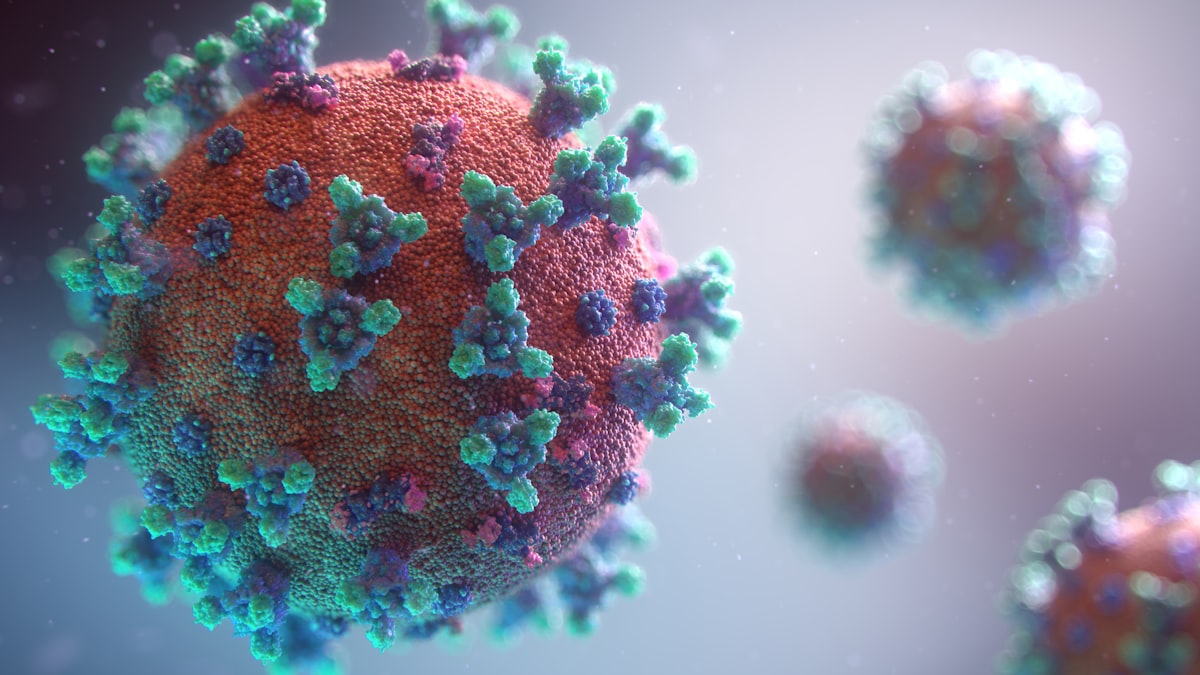
In holistic medicine, we believe that the health of the host (your body's "terrain") is more important than the pathogen itself. A strong, balanced immune system can keep stealth pathogens in check. Healing from Lyme and co-infections requires a multi-phased approach that prioritizes foundational health.
1. Open Drainage Pathways
Before attempting to clear any pathogens, your body must be able to eliminate toxins effectively. This means ensuring your liver, kidneys, lymphatic system, and bowels are functioning optimally. If these pathways are blocked, toxins will recirculate, causing increased inflammation and symptom flares.
2. Regulate the Nervous System
You cannot heal in a state of chronic stress. Lyme disease and co-infections often keep the nervous system locked in a sympathetic "fight or flight" response. Daily practices to support vagal tone—such as breathwork, grounding, and somatic experiencing—are essential for shifting the body into a "rest and digest" healing state.
3. Address Hidden Stressors (Like Mold)
It is incredibly common for patients with chronic Lyme to also be suffering from mold toxicity (mycotoxin illness). Mold suppresses the immune system, making it nearly impossible to clear Lyme and co-infections. Identifying and addressing environmental toxins is a critical step in the recovery process.
4. Targeted Antimicrobial Support
Once the terrain is supported and drainage pathways are open, targeted herbal antimicrobials can be introduced gently. Herbs are often preferred in holistic protocols because they offer broad-spectrum support, can break down biofilms, and are generally gentler on the gut microbiome than long-term antibiotics.
Conclusion
Healing from Lyme disease and co-infections is a marathon, not a sprint. It requires patience, a personalized approach, and a deep understanding of how these pathogens interact with your unique biology. By shifting the focus from simply "killing the bug" to rebuilding your body's terrain, true, lasting recovery is possible.
If you're struggling with chronic, mystery symptoms and suspect Lyme or co-infections may be involved, book a free clarity call today. Let's discuss how a comprehensive, root-cause approach can help you reclaim your health.