
When spring arrives, many of us want a clear, steady restart—for both body and mind. This guide shares safe, natural detox approaches tailored for women over 35, focusing on whole-body wellbeing rather than quick fixes. You’ll find practical, adaptable detox plans, nutrition tips to support liver and kidney function, and simple lifestyle shifts that build lasting benefit. The aim is to help your body clear what’s holding it back, reset key systems, and restore steadier energy and balance.
Detox doesn’t need to be dramatic to work. Small, consistent changes to food, movement, sleep, and stress management often produce meaningful improvements over weeks and months. This article prioritizes gradual change, realistic timelines, and easy-to-use tools you can apply at home. Treat these suggestions as a flexible framework—adapt them to your preferences, schedule, and medical history.
What Is Holistic Detoxification and Why Is It Important in Spring?
Holistic detoxification views cleansing as more than a short diet: it brings together physical, emotional, and lifestyle factors. It favors gentle, sustainable habits that support the body's own elimination systems. Spring naturally invites renewal—longer days, fresher produce, and a lighter rhythm make it easier to shift out of heavier winter habits and toward routines that support clearer digestion, renewed energy, and emotional refreshment.
A holistic perspective recognizes the body as connected: digestion, sleep, stress, and environment all shape how well you clear and rebuild. Instead of chasing a single pathway, a layered approach stacks supportive habits so the liver, kidneys, lymphatic system, and gut can work more effectively. Timing your reset with the season simply uses natural cues to make lasting changes easier to maintain.
How Does Detoxification Support Sustainable Health Resets?
A thoughtful detox can help remove accumulated burdens that slow digestion, cloud thinking, and drain energy. Over time, clearing those stressors often leads to better sleep, improved digestion, and sharper focus. For women over 35, targeted practices can also support hormonal balance and metabolic health, helping you feel steadier and more resilient day to day.
Practical benefits tend to appear gradually: more regular bowel patterns, fewer midday energy dips, easier sleep onset, or a clearer mood. Those small wins create momentum that supports longer-term habits—cleaner food choices, more consistent movement, and calmer stress responses. Think of a spring detox as a reset that makes healthier patterns simpler to adopt and sustain.
What Are the Key Principles of Holistic Wellness in Detox?
Effective holistic detox rests on a few guiding principles: align mind and body care, personalize plans to your needs, and favor gentle, food-first methods over aggressive tactics. Listening to your health history, activity level, and goals helps ensure a detox that’s safe, effective, and realistic—because one size rarely fits all.
- Gentleness first: Support the body's natural pathways rather than forcing extremes; slow changes often stick better.
- Personalization: Match duration, intensity, and food choices to your hormonal profile, medications, and activity level.
- Consistency over intensity: Small daily practices add up into meaningful change.
- Multisystem support: Combine nutrition with hydration, movement, sleep, and stress-management strategies.
- Listen and adjust: Pay attention to how you feel and ease back when needed.
Keeping these principles front and center helps you design a plan that feels doable and honors your body's current needs.
How Can Women Over 35 Personalize Their Spring Detox Plans Safely?
Personalization matters more after 35. Changes in hormones, metabolism, and lifestyle mean a detox that worked in your twenties may need to be gentler or shorter now. Start by assessing sleep, digestion, medications or supplements, and daily energy patterns. From there, build a plan that supports those needs—shorter resets, softer dietary shifts, and remedies chosen with your medical background in mind.
Begin with a short intake checklist to guide your choices:
- Sleep quality: How many hours do you sleep, and how restorative is it?
- Digestive baseline: Any ongoing constipation, reflux, or bloating?
- Medications and supplements: Note anything that could interact with herbs or require steady nutrition.
- Activity level: Sedentary, moderately active, or very active—this shapes calorie and protein needs.
- Stressors: Major life stress or emotional strain may call for extra emphasis on rest and recovery during a detox.
Use these answers to set safe boundaries—shorter durations if sleep is poor, slower diet shifts with sensitive digestion, and cautious herb use if you’re on medications. If you have chronic illness, autoimmune conditions, or are pregnant or breastfeeding, consult a clinician before starting any detox-like program.
What Functional Medicine Strategies Address Root Causes of Toxicity?
Functional medicine looks beyond symptoms to identify why toxins build up—whether from diet, gut imbalance, environmental exposures, or chronic stress. A targeted plan can include dietary shifts, testing for nutrient gaps or sensitivities, and repairing gut function to improve elimination. Simple, informed changes—like adding fiber, restoring gut balance, and removing frequent irritants—often yield the largest detox gains.
Common, non-invasive assessments include reviewing nutrient intake, basic metabolic markers, and digestive patterns. Practical follow-ups typically include incremental changes: more whole-food fiber, rotating vegetables, cutting back on obvious irritants (excess alcohol or highly processed foods), and prioritizing sleep and stress reduction. The goal is to fix patterns that let toxins accumulate, rather than chasing a single quick fix.
Which Safe Detox Methods Are Recommended for Women 35-60?
Several gentle, evidence-informed strategies suit women ages 35–60. These support natural cleansing without extreme restriction.
- Juicing and Smoothies: Use whole fruits and vegetables in balanced blends to boost vitamins, minerals, and fiber while keeping meals simple and nourishing.
- Herbal Teas: Mild botanicals such as dandelion or milk thistle can support liver health when used appropriately and alongside a nutritious diet.
- Mindful Eating: Prioritizing whole, minimally processed foods—lean proteins, healthy fats, and plenty of produce—reduces toxin intake and steadies digestion.
Additional supportive practices include:
- Consistent fiber: Aim for a mix of soluble and insoluble fiber daily from whole grains, legumes, fruits, and vegetables to support transit and elimination.
- Regular, gentle heat: Warm baths, contrast showers, or mild sauna sessions (if safe for you) can promote circulation and relaxation; check with a clinician if you have heart or blood-pressure concerns.
- Dry brushing and lymphatic movement: Simple self-massage or dry brushing before showering can stimulate skin circulation and lymph flow.
These methods are safe and adaptable so you can scale intensity and duration to match your health needs.
What Are the Best Natural Detox Methods and Nutrition Tips for Spring?
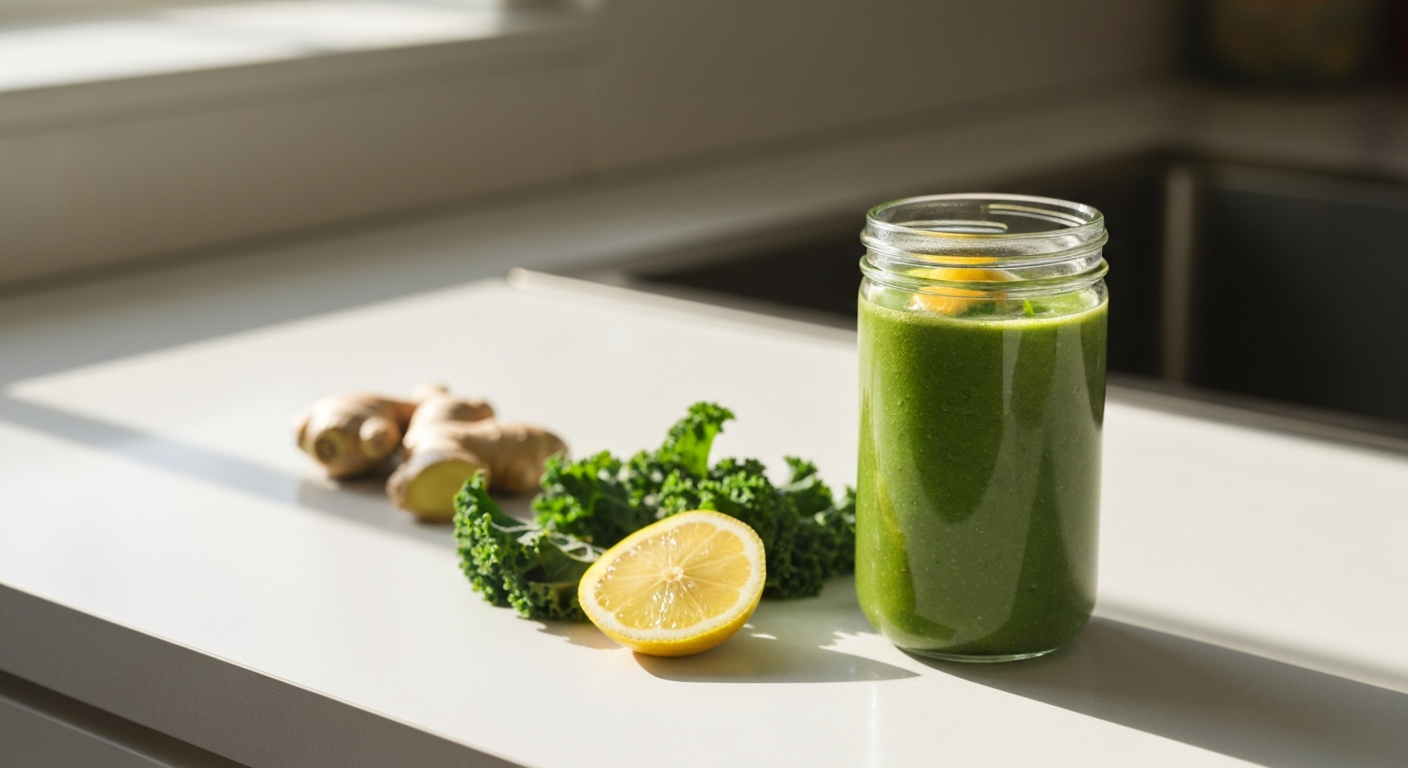
Nutrition is central to any effective spring detox. Focus on foods that support liver and kidney function, reduce inflammation, and stabilize blood sugar. Small dietary shifts paired with consistent routines help your body clear wastes more efficiently and keep energy steady.
Practical meal guidance stresses balance: aim for vegetables at most meals, include a protein source, and add healthy fats to support satiety and hormone balance. Instead of removing whole food groups suddenly, prioritize adding nutrient-dense options and cutting back on highly processed foods gradually.
Which Foods and Supplements Support Liver Health and Detoxification?
Certain foods and supplements reliably support liver function and overall detox processes. Regularly including these can make a real difference in how your body processes and eliminates waste.
Try a green smoothie for breakfast, roast beets into salads, add turmeric to soups and stews, and keep a steady rotation of colorful vegetables. If you choose supplements, work with a clinician to confirm safety and dosing—especially if you take prescription medications.
Also emphasize cruciferous vegetables (broccoli, cauliflower, Brussels sprouts) for compounds that support liver enzyme activity, and omega-3 sources like oily fish or flaxseed to help manage inflammation. Garlic, onions, and citrus add flavor and supportive nutrients without extra processing.
How Does Proper Hydration Enhance Detox Efficiency?
Hydration is fundamental: water helps kidneys filter waste, supports circulation, and eases digestion. Sip regularly through the day rather than drinking large amounts infrequently. Herbal infusions and mineral-rich drinks can help maintain electrolytes. Practical tips: carry a bottle, set gentle reminders, and include hydrating foods like cucumber, tomatoes, and watermelon.
Simple hydration strategies that fit everyday life:
- Start the day with a glass of water and a slice of lemon to wake digestion.
- Sip water before and after meals to support swallowing and digestion without overfilling the stomach.
- Have a mineral-rich drink occasionally—water with a pinch of sea salt and a squeeze of citrus—after heavy sweating or long activity to replenish electrolytes.
- Use herbal teas like peppermint or ginger to support digestion and add gentle hydration between meals.
Notice urine color as a quick hydration check—pale straw usually means adequate hydration—while remembering supplements and foods can change color temporarily.
How Long Should Your Spring Detox Last? Safe Duration Tips
Length depends on your goals and how you tolerate changes. Most gentle spring detoxes last one to three weeks. Short resets (7–10 days) can jump-start better habits; longer approaches (up to three weeks) allow deeper shifts in digestion and energy. Always listen to your body and adjust the timeline based on how you feel.
A gradual approach is generally safest for women over 35. Start with a short reset to see how your body responds, then extend or repeat a gentle program with tweaks based on energy, sleep, and digestion. Check in with yourself every few days to make realistic adjustments and avoid overreaching.
What Are Common Detox Symptoms and How Can They Be Managed?
It’s common to notice temporary changes as your body adapts: mild fatigue, headaches, or shifts in digestion. These usually ease within a few days if you support yourself with simple measures.
- Stay Hydrated: Regular fluids help ease headaches and support elimination.
- Rest: Allow extra sleep and downtime—recovery is part of the process.
- Gentle Movement: Light walks, restorative yoga, or stretching boost circulation without adding stress.
Other supportive measures:
- Eat small, balanced meals if fatigue is significant—very low-calorie approaches can worsen symptoms for some people.
- Use simple remedies like warm ginger tea for mild digestive upset or gentle abdominal massage to relieve bloating.
- Reduce activity and increase rest if headaches, dizziness, or faintness occur; these are signals to slow down.
If symptoms are intense, last longer than a few days, or include severe pain, fainting, or worrying new signs, seek prompt medical advice.
When Should You Consult a Health Professional During Detox?
Contact a clinician if symptoms are severe, persist longer than expected, or if you have existing conditions or medications. Prompt advice is important for extreme fatigue, ongoing digestive problems, or any new concerning changes. Professional input keeps your detox safe and effective.
Specific situations that warrant professional guidance include:
- Pregnancy or breastfeeding.
- Chronic illnesses such as diabetes, heart disease, kidney disease, or autoimmune disorders.
- Use of prescription medications that may interact with herbs or abrupt dietary shifts.
- Significant unintentional weight loss or ongoing symptoms that don’t improve with gentle measures.
How Does Exercise and Mental Wellness Support a Successful Spring Detox?
Movement and stress management amplify detox results. Exercise supports circulation and lymph flow, while mental-wellness practices lower stress hormones that can block detox pathways. Combining both creates a balanced environment for lasting change.
Choose movement you enjoy—you’re more likely to keep it up. For some that means brisk daily walks; for others, short strength sessions or restorative yoga. The emphasis is on regularity over intensity.
What Types of Exercise Enhance Detoxification Processes?

Varied activity supports different systems involved in cleansing:
- Cardiovascular Activities: Brisk walking, cycling, or swimming get blood and lymph moving to help transport waste.
- Strength Training: Building lean muscle supports metabolism and long-term energy balance.
- Yoga: Gentle stretching and breathing reduce stress and improve digestion and circulation.
Sample weekly plan for balance:
- 3 brisk 30–45 minute walks or cardio sessions spread across the week.
- 2 short strength sessions (20–30 minutes) focusing on full-body movements.
- 2 restorative yoga or mobility sessions to improve circulation and ease tension.
Adapt frequency and intensity to your level, increasing gradually as you feel stronger. If you have joint issues or other concerns, choose low-impact options like cycling, swimming, or chair-based strength work.
How Can Mindfulness and Stress Reduction Improve Detox Outcomes?
Mindfulness, meditation, and breathing practices lower cortisol and support restorative sleep—both important for recovery and efficient detox. Even short daily practices steady mood, sharpen focus, and make healthy habits easier to keep.
Simple practices to add into your day:
- 5–10 minutes of mindful breathing on waking—focus on slow, even inhales and exhales.
- Short body-scan meditations before bed to ease sleep onset and reduce nighttime rumination.
- Breathwork breaks during the day—three slow, full diaphragmatic breaths to reset stress physiology.
- Journaling 3–5 minutes each evening to process emotions and note small wins.
These low-effort habits build up over time, lowering hormonal load that can interfere with digestion, energy, and sleep—key systems that support detoxification.
When Might a Deeper Cellular Detox Be Needed?
While gentle strategies help many people, some women may need a deeper cellular detox to address persistent or systemic toxin burdens. Signs that a deeper approach might be helpful include chronic fatigue, ongoing brain fog, frequent headaches, stubborn skin issues, or persistent digestive disturbances despite sensible lifestyle changes.
Testing can clarify whether deeper detoxification is warranted. Functional medicine assessments—heavy metal panels, comprehensive toxin exposure tests, or advanced metabolic profiling—can reveal hidden toxic loads and cellular stress. These results guide whether standard approaches are sufficient or if more targeted interventions are needed.
Rejuvenate Your Life Holistic Wellness offers deep cellular detox programs tailored to individual needs. Their approach combines advanced testing, personalized nutrition plans, herbal protocols, and lifestyle coaching to support thorough, safe detoxification at the cellular level. If you suspect a deeper detox is needed, working with a specialized provider like Rejuvenate Your Life Holistic Wellness ensures careful, evidence-informed support. You can schedule a free clarity call here to discuss this further.
What Are Effective Post-Detox Maintenance Practices for Lasting Health Benefits?
After a detox, the important work is keeping the improvements. A few sustainable habits will help you maintain gains and continue improving energy, digestion, and mood over months and years.
Transition out of a focused detox gradually: reintroduce foods one at a time if you eliminated them, keep the daily routines you found helpful, and integrate occasional short resets to reinforce good habits. Choose a flexible maintenance plan that fits your life rather than aiming for rigid perfection.
How Can Holistic Wellness Programs Support Long-Term Detox Success?
Holistic programs combine personalized nutrition, lifestyle coaching, and ongoing education to sustain progress. They help translate short-term changes into reliable daily routines so you keep the benefits without reverting to old patterns.
When evaluating a program or coach, look for an evidence-informed approach, clear goals and methods, practical behavior-change tools (meal planning, sleep strategies), and an emphasis on safety. Programs that teach troubleshooting and tailor plans to your life offer the best long-term value.
What Lifestyle Changes Promote Ongoing Detoxification and Wellbeing?
Simple, consistent habits make the biggest difference over time. Consider these foundational changes:
- Regular Exercise: A steady routine supports metabolism, circulation, and mood.
- Balanced Nutrition: Prioritize whole, nutrient-dense foods to reduce exposures and supply repair-building nutrients.
- Mindfulness Practices: Daily stress-management techniques protect hormone balance and digestion.
Additional practical maintenance strategies:
- Meal prep and planning: Preparing vegetables and proteins ahead of time reduces reliance on processed convenience foods.
- Sleep hygiene: Establish a consistent bedtime routine, limit late-night screens, and create a cool, dark sleep environment.
- Home environment: Cut chemical exposures by choosing fragrance-free cleaning products when possible and ventilating spaces when using paints or solvents.
- Seasonal checks: Reassess your plan each season—spring is ideal for a gentle reset, while other seasons may focus on immune or stress resilience.
Adding these habits gradually creates a sustainable path to improved health and lasting resilience.
Below is a simple seven-day example to show how gentle changes can be put into practice. Use it as a template and adjust portion sizes, timing, and foods to match your appetite, energy needs, and preferences.
- Day 1 — Reset gently: Begin with a morning glass of water, a green smoothie for breakfast, a large salad with lean protein for lunch, and a vegetable-forward dinner. Include a 20-minute walk and 5 minutes of breathing practice.
- Day 2 — Build variety: Add steamed cruciferous vegetables at dinner, enjoy a mid-afternoon herbal tea, and fit a short strength session. Prioritize sleep hygiene in the evening.
- Day 3 — Support digestion: Include fermented foods like plain yogurt or a small serving of naturally fermented vegetables if tolerated. Keep hydration steady and take a restorative yoga session.
- Day 4 — Moderate movement: Do a longer brisk walk or light cardio session, eat balanced meals, and focus on fiber from legumes or whole grains to support bowel regularity.
- Day 5 — Emphasize liver-supportive foods: Add beets, dark leafy greens, and turmeric into meals. Continue hydration and mindful breathing practices.
- Day 6 — Gentle rest and reflection: Shorter movement, extra sleep if needed, and journaling about what felt sustainable this week.
- Day 7 — Reintroduce and plan: Check in with how you feel, reintroduce any avoided foods slowly, and create a simple maintenance plan for the coming weeks.
This example favors variety, nutrient density, and realistic activity—key elements for a spring detox that supports long-term health.